Alphabet K: A Designer’s Take on This Elegant Letter Embroidery
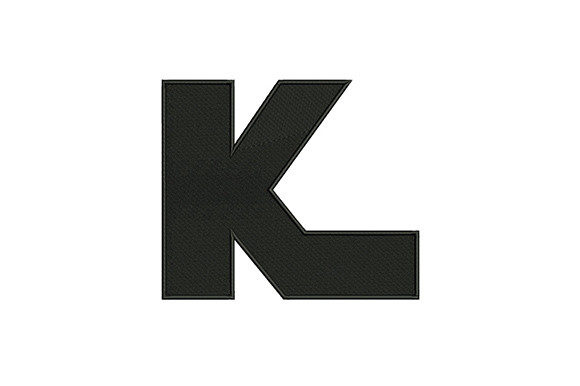
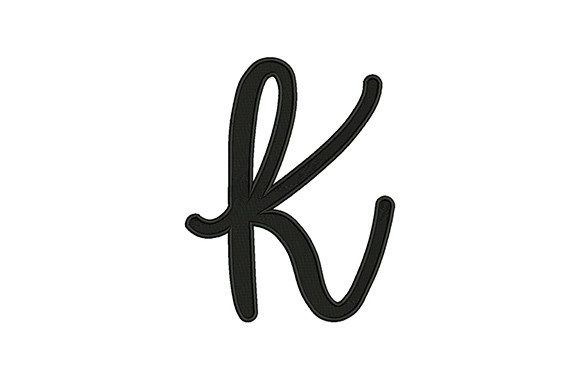
When I first opened the Alphabet K embroidery file, I was immediately struck by its clean, graceful silhouette. This is not a loud, novelty letter meant to shout for attention. Instead, it carries a quiet confidence that feels equally at home on a child’s first-day-of-school sweatshirt and a boutique tote destined for a craft fair table. As someone who has stitched hundreds of letter designs over the years, I can tell you that the best alphabets are the ones that disappear into the project—not because they are boring, but because they enhance everything around them. Alphabet K has that quality. It looks just as good in a monogram as it does standing alone as a bold initial on a personalized gift.
My first thought was about versatility. An elegant letter like this one can be the anchor of a back to school design, but it isn’t limited to that category. I immediately pictured it on a cream-colored sweatshirt embroidery for a teacher appreciation gift, then on a linen tote bag design for a small shop’s branded merchandise, and finally on a soft baby onesie for a christening. That range is rare. Many alphabet designs are either too frilly to read from a distance or too blocky to feel special. Alphabet K sits in a sweet spot where it remains legible at a glance but still feels thoughtfully drawn.
What This Design Feels Like in the Hoop
Every experienced embroiderer knows that a design can look perfect on screen and behave completely differently under the needle. Alphabet K gave me a confident first impression because its structure suggests clean satin stitch borders and smooth fill stitch interiors. The curves of the letter appear to flow naturally, without abrupt angle changes that can cause thread breaks or uneven tension. I would expect this design to stitch out cleanly on medium-weight fabrics like cotton twill, denim, and fleece, and to hold its shape well on custom apparel that gets washed frequently.
That said, I always recommend running a test on scrap fabric before committing to a final product. Check how Alphabet K behaves with your specific thread colors and fabric texture. If you are stitching onto a dark background, consider a lighter thread that will make the letter pop without losing the elegance of the design. Conversely, on a light background, a bold or metallic thread can elevate the piece into something that feels like a premium handmade product rather than a basic monogram.
One thing I noticed immediately is the balance between density and drape. A letter that is too dense can stiffen a garment, especially on lightweight fabrics like baby embroidery onesies or delicate pillow covers. Alphabet K does not appear to suffer from excessive stitch density, which means the fabric will retain its softness and the design will last through repeated wear and washing. This is a critical factor for anyone producing personalized gifts that need to look good years later.
Where Alphabet K Shines Best
After my initial test, I started thinking about the real-life projects where this design would truly excel. It is an obvious fit for back to school projects—think of a simple embroidered patch on a backpack or a single letter on a uniform sweatshirt. But I also see it working beautifully on apron embroidery for a bakery or café, where a single elegant initial can feel like a logo. For Etsy seller shops that offer monogrammed goods, Alphabet K provides a reliable option that customers will recognize as high-quality.
I also considered its potential for holiday embroidery. A monogrammed kitchen towel with Alphabet K in a festive thread color would make a thoughtful hostess gift. Similarly, a set of tea towels with different initials could be a charming wedding gift or a housewarming present. The design’s elegance ensures it feels intentional, not generic. That is exactly what small shop product lines need to stand out at craft fairs or in online listings.
For commercial embroidery work, where consistency across multiple units is essential, Alphabet K appears to be a reliable choice. Its layout should reproduce well in bulk orders, whether you are stitching it onto custom apparel for a school fundraiser or adding it to tote bag design for a boutique brand. The design does not rely on tiny, fragile details that might skip or distort, which means less wasted time and material during production runs.
Where to Use This Design Carefully
No design is perfect for every situation, and Alphabet K has a few considerations worth noting. Because it is an elegant, medium-detail letter, it may not read well at very small sizes. If you are working with a hoop size that forces the letter to be tiny—under an inch tall—you might lose the graceful curves that make this design special. I would recommend testing it at your intended size before stitching a final product, especially for items like cap embroidery where the curved surface can distort the shape further.
Speaking of curved surfaces, Alphabet K will perform best on flat or gently curved items. For structured caps or hats, pay close attention to the stabilizer choice. A tear-away stabilizer might not provide enough support for the satin stitch elements on a curved brim, so I would lean toward a cut-away stabilizer for those projects. Similarly, on stretchy fabrics like jersey or performance wear, a stabilizer with good recovery will prevent the letter from distorting when the fabric is stretched.
Another consideration is fabric texture. Highly textured fabrics—think thick cable knits, fleece, or heavy canvas—can swallow the fine details of any machine embroidery design. If you are stitching Alphabet K onto a textured surface, consider using a heavier thread weight or a slightly larger size to ensure the letter remains crisp. I have seen elegant letters like this one lose their personality on busy textures, so a bit of planning goes a long way.
How Alphabet K Affects Product Value and Customer Trust
When a customer buys a personalized gift or a handmade product with an embroidered letter, they are paying for the impression that it was made with care. Alphabet K communicates that care immediately. Its balanced proportions and smooth stitching create a professional finish that builds trust. A customer who receives a monogrammed sweatshirt embroidery with a clean, elegant letter is more likely to return for another purchase or leave a positive review. This is not just about aesthetics—it is about the perceived value of the finished item.
For Etsy seller shops and small business owners, this translates directly into buyer engagement. Listings that feature Alphabet K in printable mockups will look polished and inviting. The design is simple enough that it does not overwhelm the product photo, but distinctive enough that a potential buyer notices the quality. I have found that alphabets with clean lines tend to convert better in online shops because they look like they belong on a real product, not just a digital preview.
From a branding perspective, Alphabet K offers consistency. If you are building a collection of monogrammed items for your shop—baby blankets, tote bags, aprons, and apparel—using a cohesive alphabet style across all products creates a recognizable look. Customers start to associate that clean, elegant lettering with your brand. That kind of recognition is hard to manufacture, and Alphabet K makes it possible without requiring a custom font design.
Practical Embroidery Designer Notes Before You Stitch
Before you load Alphabet K into your machine and start production, there are a few practical steps I recommend based on my own experience. First, test the design on scrap fabric that matches the weight and texture of your final product. This is the single best way to catch issues with stitch density, thread tension, or size before you commit to a finished piece. I always keep a stack of sample fabrics in different colors so I can test thread colors against both light and dark backgrounds.
Second, check the hoop size requirements for the design at your intended dimensions. If you are working with a small hoop, make sure Alphabet K fits comfortably without crowding the edges. For larger projects like a pillow cover or a blanket, you may want to increase the size, but keep an eye on how the fill stitch areas scale. Enlarging a design can sometimes reveal gaps or uneven density that were not visible at the default size.
Third, inspect the design in both color and black-and-white mockups. A black-and-white preview can reveal how the design reads as a silhouette, which is useful if you plan to stitch it with a single thread color on a contrasting background. Color mockups help you evaluate contrast and visual balance. I often create a few different mockups with different thread combinations before settling on the final look for a given project.
Finally, confirm the licensing terms for Alphabet K before using it in commercial embroidery or selling finished products. Even though the product description mentions it is perfect for creative projects, you should always verify whether the license covers selling items made with the design, especially if you are a digital product seller or craft business owner producing items in volume. Respecting licensing protects your business and ensures you can continue using the design long-term.
Final Thoughts on Alphabet K for Real Projects
After spending time with Alphabet K, I can say with confidence that this is a design worth adding to your library. It offers the kind of versatility that saves you time when brainstorming new products, and its elegant appearance elevates whatever it touches. Whether you are stitching a single letter for a personalized gift, creating a set of monogrammed baby embroidery items for a new arrival, or producing a line of custom apparel for a boutique shop, this embroidery file delivers a professional result that customers will appreciate.
I especially appreciate how well it fits the back to school category without feeling limited to it. That kind of flexibility is rare in alphabet designs, and it makes Alphabet K a smart choice for anyone who wants a single letter that works across multiple product lines. From embroidered patch projects to large sweatshirt embroidery pieces, the design maintains its integrity and charm.
If you are an Etsy seller, a small business owner, or a hobbyist looking for a reliable letter design that you can use again and again, Alphabet K is a strong candidate. Test it on your preferred fabrics, experiment with thread colors, and see how it fits into your product lineup. I suspect you will find, as I did, that this elegant letter has a way of becoming a go-to in your design assets folder. It is simple enough to stitch quickly, but refined enough that the finished product feels special. And in the world of handmade products, that balance is everything.