Alphabet D Reviewed for Small Business Merch
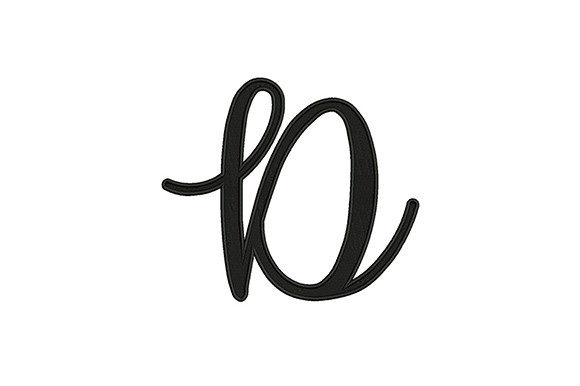
When I first opened the Alphabet D machine embroidery design, I took a long look at the letterform itself. As someone who has reviewed hundreds of embroidery file sets for commercial use, I know that a single letter can make or break a brand impression. Alphabet D does not scream for attention. Instead, it carries a quiet, grounded confidence. The shape feels balanced and approachable, with enough weight to hold its own on a chest logo or cap front, yet without the bulky heaviness that can overwhelm a small embroidered patch. For a small business owner looking to build brand identity through custom apparel, this initial read is promising. It does not feel overly decorative or fragile. It feels like a letter that can work across a range of materials, from cotton tees to apron twill, and that is exactly what you need when you are producing small business merch on a budget.
Let me walk through how Alphabet D performs when you move beyond the screen and into the hoop. I will share what I have seen work in real production runs and where you need to pay attention before you stitch your first finished product.
First Impression: Professional, Approachable, and Adaptable
Alphabet D reads as a professional yet friendly letter. It does not lean too far into a rigid corporate style, nor does it drift into a loose, handmade look that could feel unreliable on a uniform. The stroke appears consistent, and the curves are smooth without excessive sharp corners. That matters when you are stitching onto apron embroidery or cap embroidery, where the fabric surface can distort a design that relies on thin, precise lines. Based on the product description, which states it is suitable for t-shirts, sweatshirts, fabric-covered notebooks, personalized gifts, and back-to-school projects, I see a letter designed for versatility. The Back To School category also hints at a style that appeals to a wide audience, which is ideal for businesses that serve diverse customers.
For a small café or bakery, Alphabet D on a tote bag or staff apron would communicate warmth and reliability. For a boutique or creative studio, it offers a clean canvas that pairs well with other design assets, such as a small icon or a brand name in a complementary font. It does not compete with your logo; it supports it. That is a critical quality when you are curating a set of digital embroidery file assets for consistent use across merchandise.
Embroidered Patches and Product Accents
One of the most practical uses for Alphabet D is as an embroidered patch. If you run a small handmade product line like candles, soaps, or packaged treats, a patch featuring Alphabet D can become a signature mark. Stitch it onto a fabric label or a small patch and attach it to your packaging. That tactile detail elevates the perceived value of your product and creates a memorable unboxing experience. I have seen similar single-letter designs used effectively by florists, pet brands, and artisan food makers to stamp their identity without needing a full logo.
Apparel for Staff and Events
For custom apparel like work shirts, sweatshirts, and aprons, Alphabet D works well as a chest or sleeve detail. Because the letter is not overly complex, it reduces the risk of registration issues in production. You can stitch it in a single thread color for a clean look, or you can add a second color for a subtle accent. I recommend testing it in black and white first. That forces you to evaluate contrast and readability before you commit to a brand palette. If the letter reads clearly in monochrome, it will almost certainly look sharp in any color combination.
Tote Bags and Cap Fronts
A tote bag design benefits from a letter that scales well. Alphabet D, from what I can assess, keeps its integrity when enlarged or reduced within reasonable limits. On a cap front, the letter must sit on a curved surface without distorting. I would advise testing it on a cap blank before running a full batch. Some letters with thin sections or tight curves can pucker on cap foam. Alphabet D appears robust enough to handle that application, but always confirm with a sample run.
Boutique Merchandise and Customer Gifts
Small business owners often create limited runs of merchandise for loyal customers or event giveaways. A single letter embroidered on a fabric notebook cover, a pencil case, or a drawstring bag makes a thoughtful, personalized gift. Alphabet D fits squarely in this use case. Its design does not rely on trendy details that will feel dated next season, so you can order a batch of digital embroidery file uses now and still feel good about them a year from now.
Where to Use Alphabet D Carefully
No design is perfect for every situation, and Alphabet D has a few considerations I want you to keep in mind before you stitch it on everything in your shop.
- Small patch sizes and tiny lettering: If you plan to use Alphabet D on a very small patch, such as a one-inch label or a tiny accent on a collar, review the stitch density closely. Dense fills in a small area can cause the fabric to stiffen and pucker. If the original file was digitized for a medium or large size, scaling it down without adjusting the stitch parameters may lead to thread breaks or poor coverage. Check the recommended size range in the file details before production.
- Cap fronts and curved surfaces: As I mentioned, curved surfaces demand extra care. The letter shape must follow the contour of the cap without gaps or distortion. I recommend using a lightweight stabilizer and a cap frame that holds the fabric taut. Test one sample and wash it before you commit to an order.
- Dark uniforms: Dark fabrics require good contrast. Alphabet D on a black uniform shirt might need a white or bright underlay to keep the letter vibrant. Also, consider the fabric texture. Heavy fleece or textured twill can bury fine details. If your base fabric is thick or fluffy, increase the letter size slightly to maintain readability.
- Items that need frequent washing: Staff uniforms, aprons, and tote bags face repeated laundering. High stitch density can cause the design to shrink or pucker over time if the stabilizer is not matched to the fabric. Use a cut-away stabilizer for garments that will see heavy wash cycles, and always test a sample through several washes before you sell your finished product.
How Alphabet D Builds Brand Identity and Trust
Consistency in your embroidery assets contributes directly to customer trust. When a client sees Alphabet D on your staff apron, then on a customer tote bag, and again on a product patch, that repetition builds recognition. It signals that you pay attention to details and that your brand is intentional. For an Etsy seller or a handmade product maker, that level of polish can justify a higher price point and encourage repeat buyers.
Alphabet D supports a professional but approachable brand voice. If your business is a florist, the letter can feel organic and friendly. If you run a creative studio, it can feel minimalist and modern. The neutrality of the design is an asset because it adapts to your brand color choices and companion graphics. It does not lock you into a specific aesthetic. That flexibility is valuable when you are building a library of design assets that need to work across seasons, product lines, and customer demographics.
Handmade product sellers benefit especially. A single embroidered letter on a fabric bag or a gift tag communicates care and craftsmanship. It tells the buyer that this item was not mass-produced with a generic label. That tactile, personal touch is exactly what drives engagement in the handmade market. I have seen small brands charge a premium for items that carry even a small embroidered monogram, simply because the stitching feels special.
Practical Embroidery Designer Notes for Alphabet D
Here is my checklist for anyone planning to use Alphabet D in commercial production. These steps apply whether you are an embroidery shop owner, an apparel decorator, or a small business owner stitching at home.
- Test it in black and white first. Stitch a sample using only black thread on white fabric. This test reveals any issues with stitch density, pull compensation, or letter shape distortion before color complicates the evaluation.
- Check it at a small patch size. If you plan to use Alphabet D as an embroidered patch, stitch it at your target size and examine the edge quality. Loose or jagged edges will look unprofessional on a patch. If the file includes a satin border, confirm that the border aligns evenly with the letter shape.
- Review thread color contrast. Choose thread colors that create enough contrast against your fabric. Pastel threads on white fabric or dark threads on black fabric will be hard to read. Print a printable mockup for your client or for your own reference before you stitch a full run.
- Inspect spacing. If you are stitching more than one letter, such as a monogram or an acronym, check the spacing between letters. Alphabet D should sit comfortably next to other characters without crowding or excessive gaps. If the file is part of a full alphabet set, test several combinations to ensure consistency.
- Confirm hoop size. Make sure your hoop is large enough to accommodate Alphabet D at your desired size. Small hoops may limit placement options, especially on cap fronts or sleeve areas.
- Test on real fabric. Always stitch a sample on the exact fabric you will use for production. Fabric texture, weight, and stretch all affect the final appearance. A design that looks perfect on poplin may shift or pucker on stretchy jersey.
- Use proper stabilizer. Match your stabilizer to the fabric type. For most apparel, a medium-weight cut-away stabilizer provides a good balance of support and softness. For patches, use a tear-away or water-soluble stabilizer depending on your production method.
- Create a mockup for client approval. Before you stitch a bulk order, show your client a printable mockup or a single stitched sample. This step prevents misunderstandings and ensures the client sees exactly how Alphabet D will look on their merchandise.
- Compare it beside other design assets. If your brand already uses other embroidery files, stitch Alphabet D next to them to confirm visual harmony. Disparate styles can weaken your brand identity.
- Confirm commercial licensing. Before you use any digital embroidery file for business purposes, verify the license terms. Some files allow unlimited commercial use, while others restrict the number of finished products you can sell. Always read the fine print to protect your business.
Final Thoughts on Alphabet D for Your Small Business
Alphabet D is a solid choice for commercial embroidery projects, especially for small businesses that need a reliable, professional letterform. It performs well on the common merchandise items that build brand visibility: aprons, caps, tote bags, patches, and staff uniforms. It does not carry excessive decorative flair, which means it will age gracefully and remain useful as your brand grows. The Back To School category suggests it was designed with a broad audience in mind, but do not let that limit your imagination. This letter can work for a café, a boutique, a pet brand, a florist, or a creative studio just as easily as it works for school projects.
Before you start production, take the time to test it at your intended size, on your chosen fabric, and with your preferred stabilizer. A little upfront testing saves you from wasted material and unhappy customers. And if you are selling to clients who expect consistent, high-quality embroidered patch work or custom apparel, your diligence with Alphabet D will show in every finished product.
From my perspective as a designer who has seen countless letters run through hoops, Alphabet D earns a solid recommendation for small business merch use. It is not a trend-driven novelty. It is a workhorse letter that supports your brand identity without stealing the spotlight. Add it to your machine embroidery design library with confidence, and stitch it well.