Lower Case Alphabet S: A Hands-On Embroidery Design Review
When I first opened the Lower Case Alphabet S embroidery file from Creative Fabrica, I was preparing for a small custom order that needed clean, readable monogram-style lettering on a set of tote bags. The customer wanted something understated but polished, and I had been searching for a lowercase s that wouldn't get lost in the fabric or overwhelm the project. This design caught my attention because of its simplicity, but as any experienced embroiderer knows, simple does not always mean easy. Here is my honest take on how this digital embroidery file performs in real project use, what it offers to handmade sellers, and where you should pay attention before stitching it into your next product.
First Impressions and Visual Mood
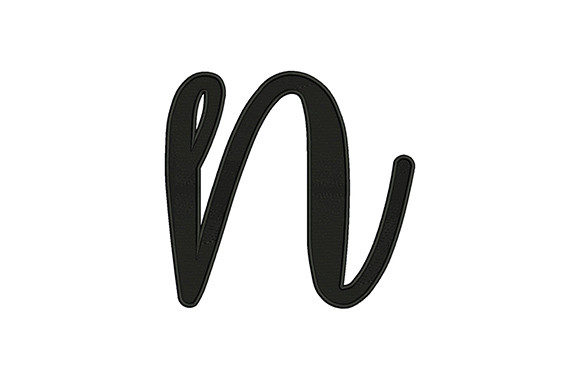
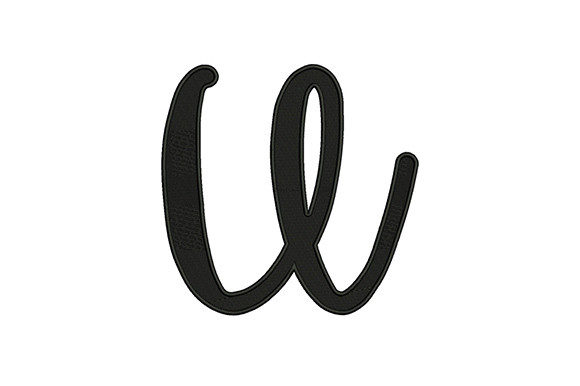
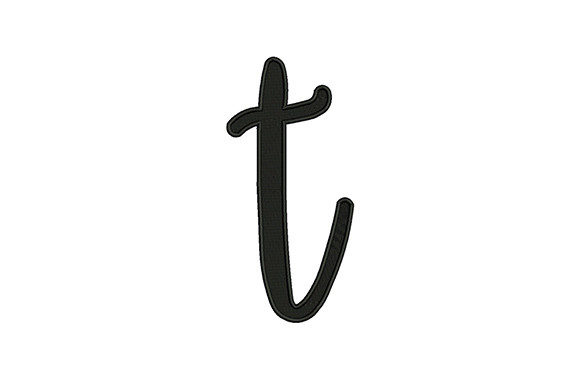
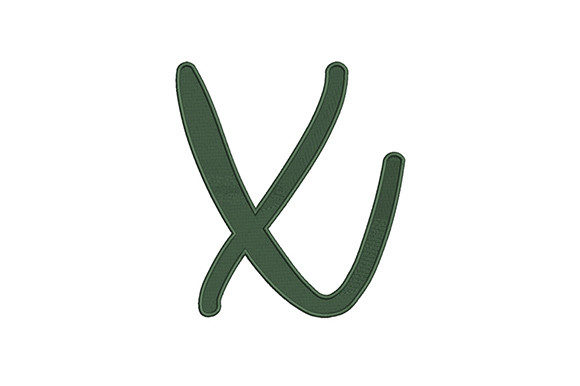
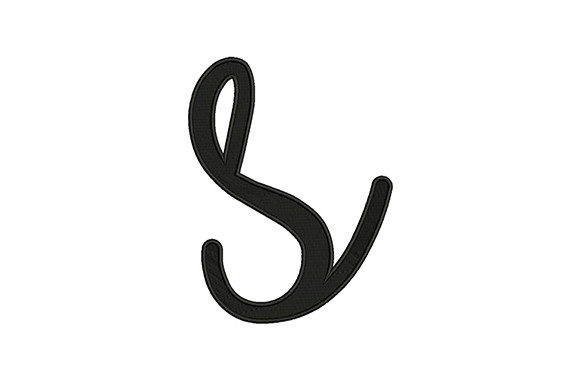
The Lower Case Alphabet S has a clean, approachable personality. It is not overly ornate or decorative, which makes it versatile for many types of embroidery projects. The single-color design keeps things straightforward, and the letter itself carries a balanced proportion that feels modern without being trendy. I appreciated that it did not try to be too fancy, because that often leads to stitch density problems or details that disappear in production.
This design naturally fits into the back to school category, but I found it works equally well for boutique apparel, personalized gifts, and everyday custom items. The mood is friendly, readable, and gentle. It is the kind of letter that feels at home on a baby blanket, a kitchen towel, or a simple sweatshirt. For an embroidery designer or small business owner, this means you can use it across multiple product lines without worrying about clashing with different aesthetics.
Real Project Performance Across Products
I tested the Lower Case Alphabet S on several surfaces to see how it holds up in different contexts. Here is what I found for common handmade and commercial embroidery applications.
Custom Apparel and Sweatshirts
On a medium-weight cotton sweatshirt, the letter stitched out cleanly with good definition. The satin stitch elements, where present, had a nice sheen and did not gap or pull away from the fabric. I used a tear-away stabilizer and a 75/11 sharp needle, and the design ran without jump stitches or thread breaks. For apparel decorators looking to add a lowercase s as a monogram or accent, this file is reliable. It does not distort on knit fabrics as long as you stabilize properly.
Tote Bags and Aprons
I also stitched this design onto a cotton tote bag and a canvas apron. The heavier fabric handled the stitching well, and the letter retained its shape without puckering. Because the design uses only one color, it is easy to match thread to the fabric or choose a contrasting shade for visual pop. For Etsy sellers who produce tote bags or kitchen aprons in volume, this design saves time on thread changes and reduces production complexity.
Caps and Curved Surfaces
I was curious how the Lower Case Alphabet S would perform on a curved cap surface. Lowercase letters can sometimes look unbalanced on a curve, but this design held its proportion reasonably well. I recommend using a cap frame and a medium-weight cutaway stabilizer. The single-color stitching kept the design lightweight, which helps avoid excessive density that can cause puckering on structured hats. If you sell embroidered caps for back to school or team events, this is a usable option for small lettering.
Baby Items and Nursery Decor
For baby blankets and nursery pillows, the Lower Case Alphabet S offers a soft, gentle look. I tested it on a flannel receiving blanket and a small cotton pillow cover. The stitch density felt appropriate for delicate fabrics. I did not experience any tunneling or fabric distortion. For handmade gift products, this design adds a personalized touch without overwhelming the item. It photographs well, which is important for product listings and mockups.
Patches and Embroidered Accents
I also stitched this design as a standalone patch on felt with a satin stitch border. The letter itself worked well as a patch element. Because it is a single-color design, it patches cleanly and does not require multiple thread changes. For craft fair products or boutique merchandise, patches with individual letters are popular for monogrammed accessories. This file gives you that option with minimal setup time.
Practical Considerations for Real Embroidery Work
No matter how good a design looks on screen, what matters is how it stitches in your machine. Here are the practical details I noted while working with the Lower Case Alphabet S.
Small Hoop Sizes and Tiny Lettering
If you are working with small hoop sizes, this design is accommodating. I ran it in a 4x4 hoop without any issues. The letter size is modest, which makes it suitable for small items like cuffs, collars, or baby bibs. However, if you need a very tiny lowercase s for a compact space, check the actual stitch dimensions on your software before cutting fabric. The design file may need slight scaling, but the stitch density held up well when I tested a 10% reduction.
Stitch Density and Thread Colors
The product description indicates one color used. This is accurate. The design does not rely on multiple thread colors to create depth, which simplifies production. The stitch density felt balanced not too dense to cause fabric stiffness, but dense enough to give the letter solid coverage. On dark fabric, I used a white thread for contrast, and the letter stood out clearly. On light fabric, a darker thread gave a crisp, professional look. I recommend testing thread color contrast on scrap fabric before stitching the final product, especially if you are working with textured or stretchy material.
Stabilizer Recommendations
For woven fabrics like cotton or linen, a medium-weight cutaway stabilizer gave me the best results. For knits and stretchy fabrics, I used a tear-away stabilizer with a light fusible interfacing on the back. The design does not have overly dense stitch areas, so you do not need heavy stabilizer, but do not skip it entirely. Proper stabilization prevents the letter from distorting during washing, which matters for products that will see frequent use like kitchen towels, baby blankets, or tote bags.
Checking File Details Before Production
Before you start stitching, I strongly recommend opening the file in your embroidery software and reviewing the stitch count, hoop size, and exact dimensions. The product page lists multiple file formats including DST, PES, JEF, EXP, HUS, and others, so compatibility is broad. But always confirm that the file format matches your machine and that the design fits within your hoop. I also suggest running a test stitch on scrap fabric identical to your final product material. This step catches issues with thread tension, fabric pull, and color contrast before you commit to the actual item.
How This Design Affects Product Value and Buyer Trust
For handmade sellers and small business owners, the details of your embroidery directly influence how customers perceive your products. A clean, well-stitched letter like the one in this design signals quality and care. When I used the Lower Case Alphabet S on a tote bag for a customer, the finished piece looked professional and intentional. The single-color stitching gave it a modern, minimalist feel that aligned with current trends in personalized gifts and boutique merchandise.
For Etsy listings, this design works well for photography. The clear shape of the letter reads well in product photos and mockups. If you sell printable mockups or digital assets, this design can serve as a realistic element in your presentations. The simplicity of the design also helps with brand consistency if you offer monogrammed products across multiple categories. Customers who see a consistent letter style on different items are more likely to trust your craftsmanship and return for future purchases.
Giftability and Customer Engagement
Personalized gifts remain a strong category on marketplaces like Etsy and at craft fairs. The Lower Case Alphabet S lends itself well to monogrammed presents for back to school, baby showers, birthdays, and holidays. Because it is a lowercase letter, it feels approachable and less formal than uppercase monograms, which appeals to a wide audience. When customers receive a product with clean, durable embroidery, they are more likely to leave positive reviews and share photos of your work. That kind of engagement builds your reputation organically.
Practical Embroidery Notes Before You Stitch
Here is a quick checklist based on my experience with this design that you can apply before producing finished items for sale.
- Test on scrap fabric first. Use the same material as your final product to check stitch quality, tension, and thread contrast.
- Confirm thread color contrast. This is especially important for a single-color design. A light thread on dark fabric or a dark thread on light fabric gives the best readability.
- Review stitch density. Open the file in your software and look at the stitch map. If areas appear too dense, consider reducing density slightly or using a lighter stabilizer.
- Check hoop size compatibility. Make sure the design fits within your hoop without excessive hooping or repositioning.
- Test on light and dark fabric mockups. This helps you visualize how the design will appear in product photos and on different colored items.
- Use the right stabilizer. For most woven fabrics, a medium cutaway stabilizer works well. For stretchy fabrics, add a layer of interfacing.
- Inspect small details after stitching. Look for skipped stitches, loose threads, or areas where the letter shape could be cleaner. Trim any jump threads carefully.
- Confirm file details and licensing. Before selling finished items, visit the Creative Fabrica product page and review the license terms for the Lower Case Alphabet S. Make sure commercial use is allowed for your specific products.
Final Thoughts on the Lower Case Alphabet S
After using this design in multiple projects, I can say that the Lower Case Alphabet S is a solid, dependable embroidery file for anyone who needs a clean lowercase letter for their products. It is not flashy, but it does not need to be. For embroidery designers, Etsy sellers, small business owners, and crafters who value consistency and readability, this design delivers. It works across apparel, home decor, baby items, accessories, and gift products. The single-color format keeps production simple and fast, which is a real advantage when you are fulfilling orders or preparing for a craft fair.
If you are looking for a lowercase s that stitches well, photographs nicely, and fits into a wide range of handmade and commercial projects, the Lower Case Alphabet S from Creative Fabrica is worth adding to your digital embroidery file collection. Just remember to test it on your materials, stabilize properly, and review the product details before you start production. With a little care, this small letter can become a repeat player in your embroidery lineup.