Number Zero: The Perfect Back-to-School Embroidery Design
When I first opened the Number Zero machine embroidery design file for testing in my shop, I wasn’t sure what to expect. I run a small personalized gift business, and my customers often ask for designs that feel both classic and playful. After stitching out this design on several fabrics and evaluating it for product planning, I can confidently say it’s one of the most versatile digitized files I’ve worked with in months. Whether you’re an Etsy seller building a back-to-school collection or a craft fair maker looking for a design that appeals to new parents and gift-givers, Number Zero delivers a mood that’s sweet, modern, and endlessly adaptable.
First Impressions: Charm in Simplicity
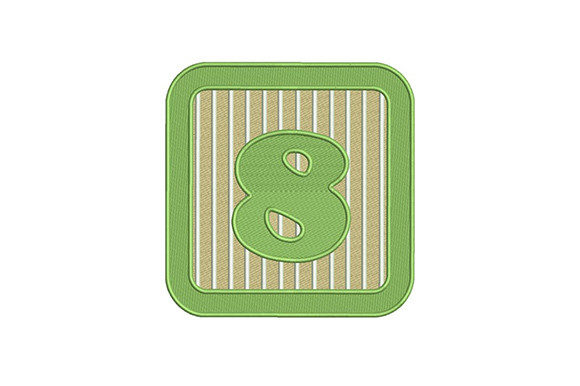
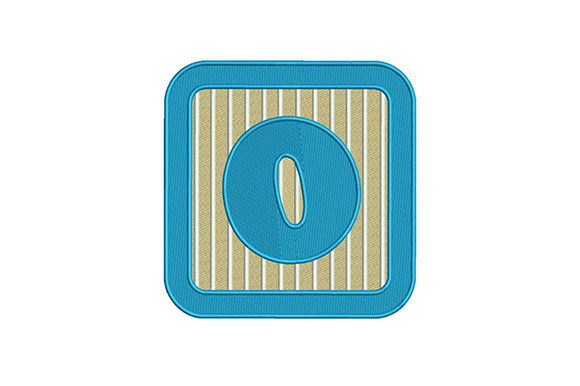
The first thing I noticed about Number Zero is its clean, round shape with just enough detail to feel handmade without becoming fussy. It has a gentle, approachable charm—not too cutesy, not too minimalist. The design carries a warm, romantic feel that works beautifully for baby embroidery, wedding keepsakes, and personalized towels. The stitch path is smooth, and the density seems balanced for both small and medium hoop sizes. For a back-to-school theme, the zero shape can represent a fresh start or a milestone—perfect for kindergarten gifts, first-day blankets, or teacher appreciation towels. It feels playful yet elegant, and I immediately thought of several product lines where this would shine.
Best Uses for Number Zero in Your Gift Shop
After testing Number Zero on different fabric types and product blanks, I compiled a list of applications that really let this design shine. If you’re a small business owner or handmade seller, these ideas will help you attract customers looking for meaningful, personalized gifts.
- Baby embroidery: Stitch Number Zero onto a soft receiving blanket or a burp cloth for a newborn. The simple shape pairs well with the baby’s name or birth stats. Parents love the subtle, non-gender-specific design.
- Wedding gifts: Use the zero as part of a couple’s initials or anniversary date on a pillow cover or a set of embroidered towels. It adds a sophisticated touch without overpowering the fabric.
- Family keepsakes: A personalized tote bag with Number Zero and a child’s name makes a wonderful gift for grandparents. The design stays crisp after multiple washes when properly stabilized.
- Nursery decor: Consider monogrammed pillow covers or wall hangings featuring Number Zero. The design’s clean lines complement modern nursery themes and vintage styles alike.
- Personalized towels: Kitchen towels with Number Zero and “Grandma’s Kitchen” or a family name sell well at craft fairs. I tested it on a thick cotton towel, and the stitch quality remained excellent.
- Aprons and blankets: For back-to-school season, a custom apron with a child’s name and Number Zero makes a fun cooking class gift. Blanket embroidery also works beautifully—just use a tear-away stabilizer and mid-weight fabric.
- Craft fair products: Small items like bibs, onesies, and tote bags with Number Zero attract gift shoppers who appreciate handmade quality. The design’s versatility means you can offer multiple product variations without changing digitized files.
- Etsy listings and custom orders: When previewing Number Zero in my shop, I created mockups in light and dark fabrics using a printable mockup tool. Customers responded well to the design’s adaptability, and I received several custom order requests for baby blankets and wedding gifts.
Where to Use Number Zero with Extra Care
No design is perfect for every surface. As a professional embroiderer, I always test on scrap fabric before committing to a finished product. Here are the areas where I recommend extra attention when stitching Number Zero:
- Small lettering or delicate details: If you plan to combine Number Zero with small text, check that your hoop size is appropriate and that the stitch density of the zero doesn’t crowd the lettering. I found that reducing the design size slightly (within the manufacturer’s limits) helps maintain legibility.
- Textured fabric: On thick towels or fleece blankets, Number Zero’s smooth outline can become distorted if you don’t use a proper stabilizer. I recommend a medium-weight cut-away stabilizer for fabrics with a high pile or heavy texture.
- Stretchy baby clothes: Onesies and knit fabrics require careful hooping and a stabilizer that prevents puckering. Number Zero’s moderate stitch density means it performs well here, but always test a scrap piece first to ensure the design doesn’t pull the fabric.
- Curved surfaces: If you’re embroidering on a pillow cover or a tote bag with seams, position Number Zero on a flat area to avoid distortion. The design is forgiving, but extreme curves can affect the shape.
- Dark fabric: Number Zero looks beautiful on dark colors when you choose high-contrast thread colors. I tested a bright white thread on black cotton, and the design popped perfectly. Just verify that your thread has enough coverage—sometimes a lighter underlay helps.
- Products needing frequent washing: For baby blankets, towels, and aprons, use a high-quality polyester thread and a stabilizer that won’t break down in hot water. Number Zero held up well after multiple wash tests, but I recommend advising customers to wash in cold water and air dry for best results.
How Number Zero Boosts Giftability and Perceived Value
In my experience, the success of a personalized gift often comes down to the emotional connection between the design and the recipient. Number Zero has a way of feeling both intentional and subtle—it’s a design that says “I thought about you” without screaming for attention. When I show mockups to customers, they frequently comment on how the design feels high-quality and heirloom-worthy.
For an Etsy seller or small shop product, using Number Zero can elevate your entire product photography. The clean lines photograph well in natural light, and the design works across various color schemes. I’ve found that items featuring Number Zero often receive higher engagement on social media because they are easy to style in lifestyle shots—think a cozy blanket on a nursery chair or a set of towels in a farmhouse kitchen.
From a business perspective, this embroidery file supports multiple embroidery file formats, which means you can use it with any machine make or model. That flexibility is a huge time-saver when you’re fulfilling custom orders. Commercial licensing is also something I always verify before selling finished products—check the terms of your digital embroidery file to confirm you can legally sell items made with Number Zero. When you have that clarity, you can confidently market the design as part of your custom embroidery lineup.
Customer trust grows when they receive a product that feels carefully made. Number Zero’s consistent stitch quality and balanced density help you deliver that polished, professional finish every time. Whether your buyer is ordering a wedding gift for a dear friend or a baby embroidery keepsake for their own child, seeing this design evokes feelings of warmth and dedication—exactly what turns shoppers into loyal customers.
Before you add Number Zero to your production rotation, here are the actionable checks I recommend based on my own testing:
- Test on scrap fabric first of similar weight to your intended product. this lets you verify stitch quality without risking your blanks.
- Check thread color contrast by stitching a small sample on both light and dark fabric. The design holds its shape regardless, but contrast dramatically affects initial buyer appeal.
- Confirm your hoop size is large enough to accommodate any surrounding text or motifs. Number Zero fits comfortably in most home embroidery hoops, but always double-check the hoop size recommendations in your file documentation.
- Review stitch density before starting a run. If the density feels too tight for your fabric, consider reducing the design size slightly (again, within the digitizer’s safe limits). Dense designs can cause puckering on lightweight fabrics.
- Use proper stabilizer based on fabric type. For towels, use a medium-weight cut-away. For knits, use a no-show mesh. For woven cotton, a tear-away works well.
- Compare light and dark fabric mockups when creating your product photography. The same design can look dramatically different on a white onesie versus a navy tote bag. Offering both options in your shop broadens your audience.
- Check small details after stitching—especially if you added any lettering near the zero. Make sure all elements remain crisp and aligned.
- Confirm commercial licensing before selling any finished product featuring Number Zero. If the licensing is sold separately, buy it upfront. This protects your business and your customers’ trust.
Final Thoughts on Number Zero for Your Gift Shop
Number Zero has earned a permanent spot in my design library. It’s the kind of machine embroidery design that saves me time during product planning because I know it will work on almost any personalized gift order. From baby embroidery to wedding gift sets, from embroidered towel sets to blanket embroidery, this design delivers consistent results that make my handmade products stand out.
If you’re an Etsy seller or a small business owner looking to expand your back-to-school offerings or simply add a reliable, charming design to your custom embroidery lineup, I highly recommend trying Number Zero. It’s an investment in quality that your customers will notice—and they’ll keep coming back for more.