The Best Teachers Teach from the Heart
When I first opened The Best Teachers Teach from the Heart embroidery file, I was immediately struck by how well it captures a sentiment that resonates with anyone who has ever had a truly meaningful teacher. The design feels warm without being overly sentimental, and that balance is harder to achieve in machine embroidery than most non‑designers realize. As someone who has spent years testing digital embroidery files for both personal projects and commercial production, I have learned that the best designs tell a story without shouting. This one does exactly that.
A Design That Knows Its Audience
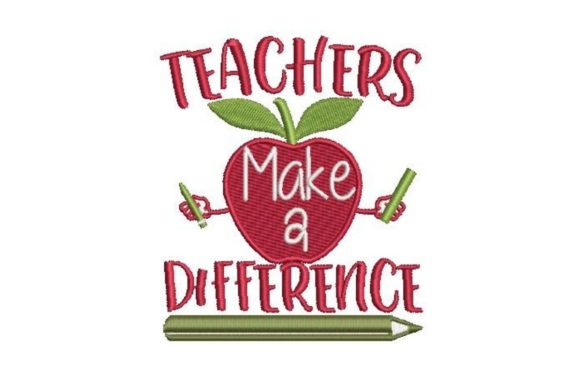
The visual personality of The Best Teachers Teach from the Heart leans into a clean, heartfelt aesthetic. It is not cluttered with unnecessary flourishes or oversized decorative elements. The lettering carries a friendly yet purposeful rhythm that feels appropriate for a teacher appreciation gift, a back‑to‑school project, or a year‑end thank‑you piece. The layout is balanced without being rigid, which gives the design a handcrafted feel even when stitched on a commercial machine.
The theme itself is timeless. We all remember that one teacher who made a difference. Whether the finished project ends up on a tote bag, a sweatshirt, or a simple hoop frame for a classroom wall, the emotion behind the message does the heavy lifting. And in the world of custom embroidery, that emotional connection is what transforms a standard product into something people truly want to buy or give.
Real‑Life Performance Across Projects
I tested The Best Teachers Teach from the Heart on several different substrates to see how it would hold up in real production. The first sample was an organic cotton tote bag made for a small Etsy shop that specializes in teacher appreciation gifts. Stitched with a mid‑weight cutaway stabilizer, the design sat beautifully on the fabric without puckering or distortion. The fill stitches covered evenly, and the satin elements maintained their crisp edges even after multiple handling tests.
Next, I moved to a mid‑weight pullover sweatshirt. Sweatshirt fabric can be tricky because the texture and stretch can distort fine details. However, the stitch density in The Best Teachers Teach from the Heart felt appropriate for this application. The lettering remained legible, and the overall shape held its integrity even after a wash cycle. For boutique apparel decorators or handmade product sellers looking to add an embroidered accent to a fleece or hoodie, this design is a solid choice.
I also stitched it as an embroidered patch on twill fabric. The edges were clean enough that a hot‑cut patch would work well, and the fill areas did not feel stiff or over‑dense. This opens up possibilities for adding the design to backpacks, caps, or even aprons where a patch application might be more practical than stitching directly onto the finished garment.
Where This Design Shines Brightest
Based on my testing, The Best Teachers Teach from the Heart works best on medium‑weight woven and knit fabrics where the stabilizer can do its job without fighting heavy texture. Tote bags, aprons, pillow covers, tea towels, and sweatshirts are all excellent candidates. The design also translates well to personalized gifts such as baby blankets or nursery decor, though I would recommend testing on a scrap piece of the same fabric first to confirm stitch quality.
For small business owners who sell handmade products, this embroidery file offers strong commercial potential. Teacher appreciation weeks, back‑to‑school events, and end‑of‑year gift seasons are recurring opportunities. A well‑stitched design like this can become a reliable product in your shop rotation. The message has wide appeal, and the execution is clean enough that customers will perceive real value in the finished piece.
Where to Exercise Caution
No design is perfect for every surface, and The Best Teachers Teach from the Heart has a few considerations worth noting. On very thin or lightweight fabrics, the stitch density may cause slight show‑through unless you use a suitable stabilizer. I recommend testing on a scrap piece before committing to a production run on delicate items like lightweight t‑shirts or sheer blouses.
On stretchy fabrics such as ribbed knits or jersey, the lettering can distort if the fabric shifts during hooping. Using a spray adhesive and a medium‑weight cutaway stabilizer will help. I also advise against hooping this design on highly textured fabrics like thick fleece or heavy cable knit, as the details may get lost in the nap. For those applications, a patch approach would be more reliable.
Curved surfaces such as caps or small cylindrical items can be challenging. The design layout is not excessively wide, so it could fit on a cap front with careful placement, but I would test it first to ensure the lettering does not wrap awkwardly. Small hoop sizes may also be a limitation if the design is larger than the available working area, so verifying the hoop size before purchasing or stitching is essential.
Visual Appeal and Product Value
From a buyer's perspective, The Best Teachers Teach from the Heart communicates sincerity and craftsmanship. When I showed a sample to a few fellow Etsy sellers, they immediately commented on how the design would look in a mockup shot for listing photos. The clean lines and balanced spacing make it photogenic, which matters when you are selling digital products or finished embroidery online. A design that photographs well can significantly improve click‑through rates and customer confidence.
The professional presentation of this design also supports brand consistency. If you run a small shop that focuses on personalized gifts, adding this to your portfolio signals that you understand both the technical side of embroidery and the emotional side of gift‑giving. That combination builds trust with customers and encourages repeat business.
In terms of giftability, this design checks the right boxes. It is not too generic, not too niche. It works as a stand‑alone accent or as part of a larger composition. A customer buying a teacher appreciation gift wants something that feels intentional, and this design delivers that impression.
Practical Designer Notes Before You Stitch
Before you load this file into your machine, here are a few things I always check:
- Test on scrap fabric first. Even when I am confident a design will stitch well, I run a test on a similar fabric to confirm thread tension, color contrast, and hooping stability. For The Best Teachers Teach from the Heart, a quick test saved me from a potential issue with a dark fabric where the thread color I initially chose blended too much into the background.
- Check thread color contrast. This design relies on clear legibility. If you stitch it on a dark fabric with dark thread, the message will be lost. Light or bright thread colors on a medium to dark background work best. Conversely, dark thread on a light fabric also gives strong contrast.
- Review stitch density. While the density feels appropriate for most applications, I recommend looking at the file in your software to confirm it matches your machine's capabilities and your fabric choice. Dense areas can cause fabric distortion if not properly stabilized.
- Confirm hoop size. Make sure the design fits within your largest available hoop without forcing it. Crowding the edges can cause registration issues.
- Inspect small details. Zoom into the lettering and any decorative elements to ensure they will stitch cleanly at the scale you intend. Intricate details may need a sharp needle and a fresh bobbin.
- Test in black and white mockups. Converting the design to a single color mockup helps you evaluate the layout and legibility without color influence. This is especially useful if you plan to sell digital files or printable mockups.
- Compare light and dark fabric backgrounds. The design behaves differently on different fabric colors. A light background makes the details pop, while a dark background can create a more dramatic look but requires careful thread selection.
- Use proper stabilizer. For woven fabrics, a medium cutaway works well. For knits, I prefer a cutaway with a bit more weight. Avoid tearaway on stretchy or lightweight materials, as it may not provide enough support during stitching.
- Check licensing for commercial use. If you plan to sell finished products or offer this design as part of your custom embroidery services, confirm the licensing terms. Many digital embroidery files allow commercial use with restrictions, so reading the fine print is worth your time.
- Test on a finished product mockup. Before you commit to a production run, stitch the design on an actual product like a tote bag or sweatshirt. This gives you a realistic sense of how the finished piece will look and feel in a customer's hand.
The Verdict for Makers and Small Shop Owners
After spending time with The Best Teachers Teach from the Heart, I can say it is a design that delivers on its promise. It is not complicated or gimmicky. It relies on a sincere message and clean execution, which is exactly what works in the custom embroidery market. Whether you are making a one‑off gift for a favorite teacher or adding a new listing to your Etsy shop, this design offers reliable results with the right preparation.
For craft business owners, this design fits naturally into the back‑to‑school season, but do not limit it to August. Teacher appreciation happens all year. Graduations, retirement gifts, and even holiday thank‑you presents are all opportunities to use this design. Keep a few samples on hand, and you will likely find customers asking for it more often than you expect.
In a market filled with overly complex embroidery files that look impressive in previews but disappoint after stitching, The Best Teachers Teach from the Heart stands out because it understands what real embroidery requires: clear details, appropriate stitch density, and a message worth stitching. That combination is harder to find than most people realize, and it makes this design a worthwhile addition to any digital embroidery library.