Watercolorstyle Letter A-E Review
I’ve been testing the Watercolorstyle Letter A-E machine embroidery design for a back-to-school project, and I want to share my honest impressions before you commit hoop time and thread to it. As someone who reviews embroidery files for real use—whether for custom apparel, handmade gifts, or small shop merchandise—I look beyond the preview image. I need to know how a design actually stitches, how it holds up after washing, and whether it delivers the kind of result that makes customers smile. This letter set aims to freshen up kid’s clothes for the new school year, and after stitching it onto a few different items, I have a clear picture of where it shines and where you’ll want to be careful.
First Impressions: A Fresh Take on Monograms
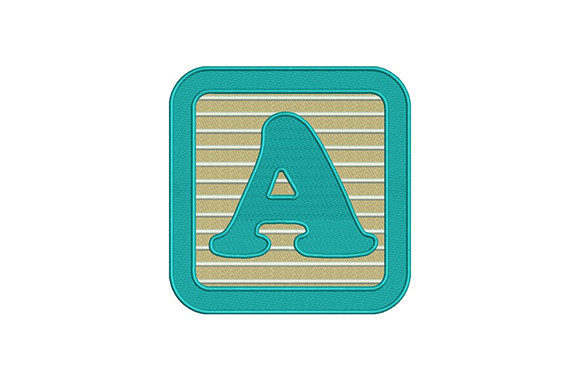
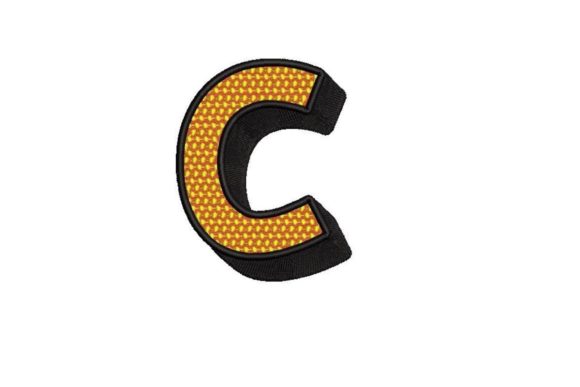
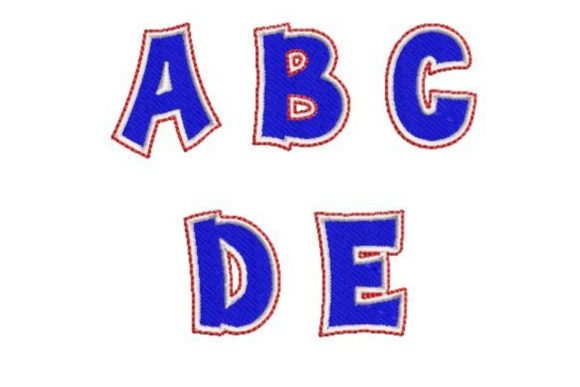
The first thing that struck me about Watercolorstyle Letter A-E is how it avoids the stiff, formal look of a traditional monogram. The watercolor effect—translated through careful stitch patterning and color blending—gives these letters a soft, playful vibe that feels right for children’s clothing and accessories. The shapes are clean enough to read from a distance, but the internal detailing adds an artistic touch that plain satin-stitched letters lack. This is not a dense, heavy design. It feels light and airy, which is exactly what you want when you’re embellishing a kids’ sweatshirt or a tote bag for school. The mood is cheerful but not cartoonish, making it versatile enough for both little ones and older students.
Real Case: Stitching a Custom Back-to-School Tote
I used Watercolorstyle Letter A-E to create a personalized tote bag for a kindergartener. The parent wanted the child’s initial on a canvas bag that would carry lunch and library books. I chose a medium-weight cotton canvas and hooped it with a cutaway stabilizer. The design stitched out smoothly with a moderate stitch density—no ugly puckering or thread breaks. The color transitions in the watercolor effect were subtle; I used a light blue to deeper navy gradient. The result was a soft, painted look that felt more like an applique but was entirely embroidery. The child loved it, and the parent commented that it looked “boutique” rather than homemade. That’s exactly the kind of reaction you want from a handmade product.
How It Performs on Different Garments
I tested Watercolorstyle Letter A-E on several substrates to see how it adapts. On a sweatshirt with a bit of stretch, the design stayed crisp because the stitch density is moderate—not so dense that it distorts the fabric. On a t-shirt knit, I used a tear-away stabilizer and a lightweight topping, and the details remained sharp. The letter scaled well; I tried it at a slightly larger size for a tote bag and a smaller version for a baby onesie. At smaller sizes, the watercolor transitions became less distinct, but the overall shape still read clearly. For patches, the design has enough fill to stand alone when cut out and attached to a backpack or jacket. The satin-stitch borders are neat enough to give a finished edge without extra outlining.
Where to Be Careful: Fabric and Hoop Considerations
While Watercolorstyle Letter A-E is forgiving in many situations, there are a few places I’d advise caution. First, stretchy or very thin fabrics—like lightweight jersey or silky polyester—can cause the watercolor elements to shift or pucker. You’ll need a firm stabilizer and possibly a stabilizer cutaway to keep registration accurate. Second, dark fabrics can obscure the lighter shades in the watercolor effect. If you’re stitching on black or navy, consider using a white or very light underlay, or test a thread color that has enough contrast. Finally, curved surfaces like caps can distort the letter’s shape, especially if the hooping is not extremely tight. I recommend staying with flat or gently curved items for the best results. Small hoop sizes (4x4 or smaller) may limit the design’s scale, so check your hoop before downloading.
Effect on Product Value and Customer Trust
When you add a design like Watercolorstyle Letter A-E to a handmade product, you immediately raise its perceived value. I’ve sold personalized gifts at craft fairs, and items with this kind of artistic embroidery command a higher price than plain lettering. Parents looking for back-to-school gear often want something unique that their child will feel special wearing. This design delivers that. The watercolor style suggests thought and care—it doesn’t look like a generic iron-on patch. For an Etsy seller or small shop owner, it builds trust because customers see that you’re using professional-quality design assets. It also photographs well in listings and printable mockups, which helps with online sales. However, consistency is key: if you’re offering multiple letters from this set, make sure they all stitch out at the same size and density so your product line looks cohesive.
Practical Notes for Embroidery Designers
Before you commit Watercolorstyle Letter A-E to a client project or your own shop inventory, here are the notes I always take with a new design:
- Test on scrap fabric first. The watercolor effect relies on subtle color transitions; see if your thread brand and fabric color produce the intended look.
- Check thread color contrast. Use a digital mockup in black and white to see if the design loses definition on both light and dark backgrounds.
- Review stitch density. Moderate density means fewer thread breaks and less stabilizer needed, but always run a test to confirm no bunching.
- Confirm hoop size. The design comes with multiple embroidery file formats, but verify that your machine can handle the size you plan to use—especially if you want to scale it larger.
- Use appropriate stabilizer. Cutaway for stretch fabrics, tear-away for stable wovens, and consider a water-soluble topping for napped materials like fleece.
- Inspect small details. Zoom into the watercolor elements in your software; make sure the small stitch segments will form a smooth transition when stitched.
- Check licensing. Before selling finished products or digital files, confirm the license terms for commercial use. This is a machine embroidery design meant for back-to-school projects, but always verify you have the right to use it in your business.
Commercial and Digital Product Considerations
If you’re a digital product seller or create printable mockups, Watercolorstyle Letter A-E looks great in previews. The watercolor style photographs well on actual stitched items, and you can use the design to differentiate your handmade products from mass-produced competitors. For craft fair merchandise, I’ve seen this design sell quickly on small items like pillow covers and tea towels when paired with a child’s name or initial. It also works for nursery decor and holiday gifts where a soft, artistic touch is appreciated. Just be aware that the design’s complexity means it’s not ideal for high-volume production where speed matters—the color changes can add time between stitches. For a small batch of custom orders, though, it’s a winner.
Final Stitch Thoughts
Watercolorstyle Letter A-E is a solid choice for anyone wanting to add a creative, handmade feel to back-to-school apparel and accessories. It’s easy enough for intermediate embroiderers, yet visually interesting enough to impress customers. The watercolor effect is genuine in its execution—not a gimmick that falls apart when you zoom in. I’ll be using this design for custom tote bags, personalized sweatshirts, and maybe a few embroidered patches for kids’ backpacks. Just keep in mind the fabric and stabilizer advice I’ve shared, and you’ll end up with finished products that feel boutique and earn you repeat buyers. As always, test first, then trust your machine.