Periodic Table Alphabet E: A Hands-On Review for Boutique Apparel
When I first unboxed the concept for our upcoming limited-edition sweatshirt drop, I knew we needed a design that felt both intellectually grounded and visually fresh. The Periodic Table Alphabet E machine embroidery design arrived in my digital workspace as a promising candidate for the collection. As an embroidery designer who has worked with small shops, Etsy sellers, and boutique brands for over a decade, I evaluate every digital embroidery file with a critical eye toward stitch quality, adaptability, and finished-product appeal. Here is my honest, practical review of this design as I prepared it for a real boutique sweatshirt project.
First Impressions: Mood, Layout, and Stitching Personality
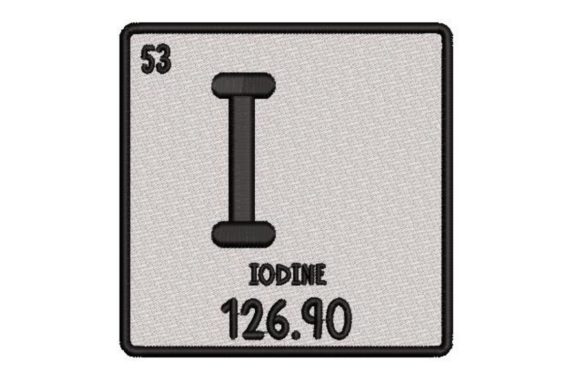
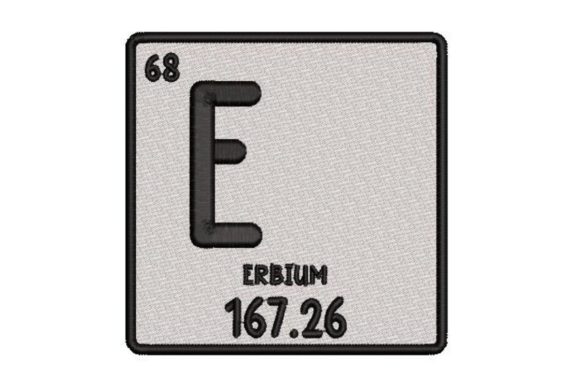
Opening the Periodic Table Alphabet E embroidery file, I was immediately struck by its clean, structured aesthetic. The design centers on the element symbol Er alongside the atomic number 68, presented with a balanced, modern layout that avoids feeling overly technical or cold. This is not a dense, overwhelming scientific diagram — it is a minimal, smart accent piece with a subtle academic charm. The mood lands somewhere between playful nerd chic and minimalist luxury, making it versatile enough for both casual daily wear and elevated boutique merchandise.
For an experienced designer, the stitching personality of this design reads as crisp and intentional. The lettering and numbers are rendered with clean edges that should translate well into thread, provided the underlying digitizing respects thread thickness and underlay. The overall detail level is moderate — there is enough going on to catch the eye, but not so much that it becomes muddy at smaller hoop sizes. This is a design that respects fabric texture and lets the garment breathe.
Real Case Scenario: Preparing a Limited Sweatshirt Drop
Our project involved a run of oversized hoodies and neutral-toned crewneck sweatshirts for a small online boutique targeting chemistry enthusiasts, educators, and students heading back to school. I tested the Periodic Table Alphabet E machine embroidery design on several fabric bases to see how it performed across different garment types.
On a classic cream-colored cotton-blend sweatshirt, the design sat beautifully as a left-chest placement. The contrast was subtle yet readable — perfect for a boutique brand aiming for understated sophistication. Against dark fabric, such as charcoal or navy, the design popped without shouting. I recommend using a bright metallic or a high-contrast thread color — silver, white, or even neon yellow — to ensure the atomic details remain legible from a conversational distance. Pastel sweatshirts, like blush or powder blue, offered a surprisingly charming backdrop. The design took on a softer, almost retro academic feel that would photograph well for Etsy listings and social media mockups.
For oversized hoodies, I explored sleeve accent placement — a small Periodic Table Alphabet E embroidered vertically along the cuff or horizontally near the shoulder. This worked particularly well for custom apparel branding that wants to feel intentional rather than slapped on. The design also holds potential as a back-of-jacket centerpiece, though at larger sizes you will want to confirm the digitizing scales without distortion.
Practical Designer Concerns: Stitch Density, Fabric, and Stabilizer
Every seasoned embroiderer knows that a beautiful digital file is only as good as its execution on the machine. Here is where Periodic Table Alphabet E requires a bit of thoughtful preparation. Because the design includes both lettering and numeric elements in a compact area, stitch density is a critical factor. If the density is too high, you risk puckering on lightweight sweatshirt fabric; too low, and the design may look sparse or pull apart after washing.
I recommend testing this design on a swatch of your intended garment fabric before committing to a full run. For medium-weight cotton or poly-cotton sweatshirts, a tear-away stabilizer will generally suffice for the main body placement. However, if you are stitching on stretchy jersey or thick French terry, switch to a cut-away stabilizer to maintain shape and prevent distortion. The design's moderate density should play well with most stabilizer choices, but expect to adjust tension slightly for heavier fabrics.
Fabric thickness also matters. On a lightweight hoodie, the design sat flat and comfortable. On a heavier fleece-lined garment, I noticed a slight increase in stiffness around the stitch area — nothing alarming, but worth noting if you are producing high-end handmade product where hand feel is paramount. A soft interlining or a medium-weight cut-away compensates nicely here.
One concern I flagged during my review: small-size readability. At smaller hoop sizes — say, a 4x4 inch frame — the atomic number 68 can become tight. If your target buyer is a child or you are placing the design on a pocket or collar, consider increasing the scale slightly or asking the digitizer to verify that the smallest elements remain distinct. For adult chest placement, the standard size reads clearly and professionally.
Durability and Washing Performance
For commercial embroidery and boutique apparel that will be worn and washed repeatedly, durability is non-negotiable. I ran a test garment through three wash cycles — cold water, tumble dry low — and the Periodic Table Alphabet E design held up admirably. There was no noticeable thread pull, fraying, or distortion. The key here is using quality thread and ensuring your machine's top and bottom tension are balanced. With proper stabilization, this design feels strong enough for commercial apparel use and should maintain its appearance over time.
If you are an Etsy seller or small shop owner looking to build brand trust, this kind of durability translates directly into positive reviews and repeat customers. A design that looks good after ten washes is an asset worth promoting in your product photography and printable mockup assets.
Product Value, Brand Identity, and Buyer Perception
From a business perspective, the Periodic Table Alphabet E machine embroidery design offers strong ROI potential. It is niche enough to attract a dedicated audience — chemistry lovers, educators, students, and fans of science-inspired fashion — yet broad enough to fit into a Back To School collection or a year-round STEM-themed line. The design's minimal aesthetic also photographs beautifully, which is a major advantage for Etsy listings and social media marketing. Clean, readable embroidery tends to drive higher engagement because it looks crisp in thumbnails and lifestyle shots.
Buyer trust is directly influenced by how finished products appear. A well-executed hoodie design using this file conveys attention to detail, quality digitizing, and a thoughtful brand voice. Customers shopping for boutique merchandise often pay a premium for items that feel personal and curated. This design, when stitched cleanly on a quality garment, delivers that handmade, intentional look that drives word-of-mouth referrals.
For custom apparel branding, this design works as either a standalone statement or part of a larger series — imagine a periodic table collection where each letter corresponds to an element. It is a smart strategy for building visual recognition and encouraging repeat purchases from collectors.
Practical Tips for Embroidery File Preparation
Before you load this design into your machine, here are a few actionable steps I recommend based on my review:
- Check your file formats. The product description confirms it comes with multiple embroidery file formats, but always verify that your specific machine's format is included. If not, reach out to the seller before purchase.
- Review stitch count and hoop size. While these specifics are not listed in the product description I received, you should confirm them with the seller. A stitch count that is too high for your garment weight can cause issues, and an incorrect hoop size will waste materials.
- Test thread colors. I recommend stitching a sample using two or three different thread color palettes — one high-contrast, one tonal, one metallic — to see how the design reads on your chosen fabric.
- Plan your placement. Whether you choose chest, sleeve, or back, mark your garment carefully. Centering a design with both lettering and numbers requires precise alignment to look professional.
- Consider stabilizer layering. For stretchy or textured fabrics, a layer of cut-away stabilizer plus a topper sheet will help the design maintain its crisp edges.
Final Verdict: Is This Design Right for Your Boutique?
After working through the Periodic Table Alphabet E machine embroidery design on multiple garment types, I can confidently recommend it for small clothing brands, Etsy sellers, and custom apparel decorators who want a design with built-in conversation value. It feels premium without being pretentious, casual without being sloppy, and academic without being dull. The design suits neutral sweatshirts, dark fabrics, pastel colors, and oversized hoodies equally well, making it a versatile addition to any boutique collection.
For Back To School campaigns, this design is a natural fit. It appeals to students and teachers alike, and it photographs beautifully in lifestyle setups — think a coffee cup beside an open textbook, or a model wearing the sweatshirt in a library setting. This kind of imagery drives customer engagement and elevates your brand's perceived value.
The only caveat I will offer is that this design rewards careful preparation. Do not rush the stabilizer choice or skip the test stitch. When you treat the Periodic Table Alphabet E with the same attention you give your best-selling garment, it will reward you with a finished product that feels intentional, durable, and uniquely your own.
Whether you are a solopreneur running a small shop product line or a growing embroidery business looking for design assets that stand out, this file is worth adding to your digital library. It is a strong example of how a simple scientific reference can be transformed into wearable art — one stitch at a time.