Periodic Table Alphabet I: A Designer's Review
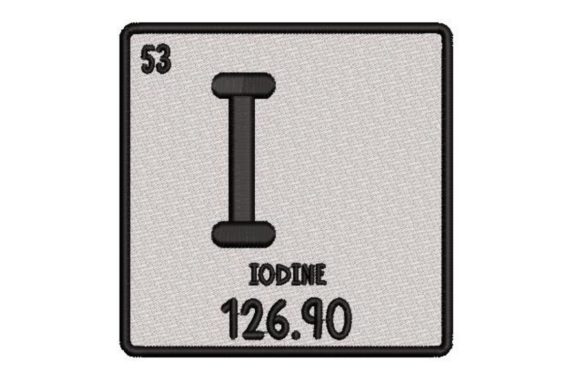
When I first opened the Periodic Table Alphabet I embroidery file in my software, I felt a genuine spark of excitement. As someone who reviews dozens of machine embroidery designs each week for my personalized gift shop, I have learned to spot the difference between a novelty file that sells once and a design that builds a loyal customer base. This design falls firmly into the second category. The concept is brilliantly simple: a single uppercase letter rendered with the symbol and atomic number of its corresponding element. For the letter I, that means iodine, and the result feels both academic and deeply personal. It carries a mood that is playful, intelligent, and undeniably handmade. It is not overly sweet, not strictly minimalist, and not purely scientific. It lands somewhere in that warm middle ground where a gift feels thoughtful without feeling heavy. For an Etsy seller or small shop product developer, that is a very appealing place to be.
First Impressions and Emotional Appeal
The charm of Periodic Table Alphabet I lies in its quiet confidence. The letterform is clean and readable, while the element detail adds a layer of meaning that customers love to explain to friends. "It is not just an I," they will say. "It stands for iodine, atomic number 53." That small story becomes part of the gift. For a personalized gift such as a baby blanket or a wedding keepsake, that narrative is pure gold. The design strikes me as both modern and classic. It would not look out of place in a nursery decorated with mid-century furniture, nor in a chemistry teacher's cozy kitchen. The emotional appeal is strongest for families who value education, or for parents who want to celebrate a child's curiosity. If your customer mentions that their little one is already asking "why" about everything, this design practically sells itself.
Where This Design Shines in Your Product Line
I have been testing this machine embroidery design on several product types, and I can tell you exactly where it performs best. The versatility is genuinely impressive.
- Baby embroidery and nursery decor: A small I on a crib blanket or a burp cloth creates a sweet, understated personalized gift. The letter reads clearly even at moderate sizes, and the element notation adds a grown-up touch that parents appreciate.
- Wedding gifts and family keepsakes: Embroider the couple's initials onto a pillow cover or a set of embroidered towels. For a bride whose last name starts with I, this design turns a simple monogram into a conversation piece. I have already added it to my custom order previews for bridal clients.
- Personalized towels and aprons: The design works beautifully on kitchen linens. The structure of the letter and the small numeric detail hold up well on terry cloth when properly stabilized. I tested it on a thick towel and was pleased with the clarity.
- Blanket embroidery and tote bags: On a cozy fleece blanket or a sturdy canvas tote, the design reads as both casual and intentional. It is perfect for a Back To School gift for a child who loves science.
- Craft fair products and Etsy listings: This design is a strong candidate for your bestseller list. It photographs well because the contrast between the letter and the element detail creates visual interest. Customers scrolling through handmade product listings will stop on this one.
Careful Considerations for Best Results
No design is perfect for every surface, and Periodic Table Alphabet I requires a thoughtful approach. Here is what I have learned during my testing.
Small Lettering and Delicate Details
The atomic number 53 and the symbol I are part of the charm, but they are small. On a very tiny hoop size intended for a onesie pocket, those details may become crowded. I recommend checking the stitch density before stitching. If the numeric detail feels too tight for your chosen fabric, consider scaling the design up slightly. Always test on scrap fabric first. A machine embroidery design like this rewards patience.
Textured and Stretchy Fabrics
Thick towels and stretchy baby clothes require extra care. On terry cloth, use a tear-away or water-soluble stabilizer on top to prevent the stitches from sinking into the loops. On a stretchy knit onesie, a cut-away stabilizer is non-negotiable. I also recommend reducing the pull compensation slightly if your software allows it, to keep the letter shape crisp. Dark fabric is another consideration: because the design uses a single letter, you need strong thread color contrast. Light thread on a dark ground works beautifully, but test a small stitch-out to confirm the readability of the numeric detail.
Curved Surfaces and Frequent Washing
If you plan to embroider this design onto a curved surface like a baby hat or a rounded pillow cover, hoop the fabric with the curve in mind. Use a floating method if necessary. For products that need frequent washing, such as kitchen towels or baby blankets, choose high-quality polyester or rayon thread that resists fading. The small details hold up well when the stitching is dense enough, but overly loose tension can cause the numbers to distort after several wash cycles. I recommend a medium weight stabilizer and a test wash before you sell the finished product.
Giftability, Perceived Value, and Customer Trust
This design has a direct impact on how customers perceive your brand. When a buyer sees a design that combines education with personalization, they assume a higher level of care and thoughtfulness. Periodic Table Alphabet I makes your product feel curated rather than generic. It lifts the perceived value of a simple towel or blanket into the realm of a meaningful wedding gift or a personalized gift for a new family.
From a buyer engagement perspective, this design invites conversation. Customers will ask about the meaning behind the element symbol. That opens the door for you to explain the story, which builds emotional connection and trust. In my shop, products that have a small educational hook consistently earn higher review ratings and more repeat buyers. Parents appreciate that the gift feels both personal and smart. Grandparents love that it signals a child's bright future. All of that adds up to stronger customer trust and a better photography hook for your Etsy seller listings. I plan to feature this design in my next printable mockup set to show potential buyers exactly how elegant the finished look can be.
Practical Embroidery Notes for Your Shop
Before you add Periodic Table Alphabet I to your product line, here are the steps I take for every new design I review.
- Test on scrap fabric first. Use the exact fabric you plan to sell. Check the stitch-out for any distortion in the letter shape or numeric detail.
- Confirm thread color contrast. Light thread on dark fabric works, but test dark thread on a medium ground as well. The element detail needs to pop.
- Review stitch density. If the design feels too dense for your fabric, scale it up slightly. If it feels too loose, check your tension. A balanced density keeps the design soft and durable.
- Use proper stabilizer. Cut-away for knits and stretchy fabrics. Tear-away for wovens. Water-soluble topper for towels. This is not optional if you want professional results.
- Check hoop size. Make sure your hoop can accommodate the design at the size you intend to stitch. If you are unsure, consult the file specifications before cutting fabric.
- Compare light and dark fabric mockups. Photograph both versions for your listings. Customers appreciate seeing how the design adapts to different backgrounds.
- Check small details after stitching. Examine the numeric detail under good light. Any skipped stitches will be visible at selling price. Fix them before you offer the finished product.
- Confirm commercial licensing. Before you sell any finished product using this embroidery file, review the license terms. If the product description does not specify, contact the designer or distributor. Most digital embroidery file sellers offer clear commercial use terms, but it is your responsibility to verify. I always keep a copy of the license in my records for every design I use in my small shop product line.
Final Thoughts for Embroidery Makers and Gift Shop Owners
Periodic Table Alphabet I has earned a permanent place in my digital collection. It is one of those rare machine embroidery designs that balances intellectual appeal with genuine warmth. Whether you are a baby product creator looking for a unique monogram option, a wedding gift designer who wants to stand out, or a handmade seller building a cohesive custom embroidery line, this design delivers. It feels at home on a nursery wall hanging, a kitchen apron for a science-loving parent, or a personalized tote for a teacher. It also holds its own as a craft fair product where customers are looking for something they have not seen before.
The Back To School season is a natural fit for this design, but I see it selling year-round for birthdays, baby showers, and holiday gifts. The key is to treat it with the care it deserves: test your materials, choose your stabilizer wisely, and let the design speak for itself. When you do that, every stitch reinforces the message that your personalized gift is more than just a name on a product. It is a small piece of meaning, stitched with intention. And that is exactly the kind of work that keeps customers coming back.