Ripped Piece of Paper: A Designer Review
When I first opened the Ripped Piece of Paper machine embroidery design on Creative Fabrica, I was struck by its understated charm. This is not a loud, flashy motif. It feels like a gentle nod to the handmade process itself—a piece of torn notebook paper, slightly imperfect, carrying a message about loving your hobby and being proud of your artwork. For anyone running a boutique apparel brand or an Etsy shop built on custom embroidery, that kind of emotional tone can be pure gold. It speaks directly to the maker community, and that is exactly the audience I target with my sweatshirt and hoodie collections.
This Creative Fabrica embroidery design lands squarely in the Back To School category, but do not let that limit your imagination. The Embroidery type here is versatile enough to carry through fall releases, hobbyist-themed drops, and even lifestyle product photography for your online store. Let me walk through what I see as an experienced apparel decorator preparing a small collection around this piece.
First Impression and Visual Personality
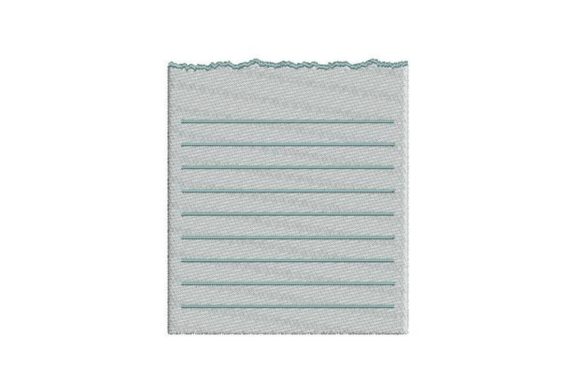
The Ripped Piece of Paper design has a soft, nostalgic, and slightly rustic feel. The torn edges suggest something personal—a note passed in class, a journal entry, a reminder to yourself. That intimacy works beautifully on garments meant to feel cozy and personal. I would describe the mood as playful yet sentimental, with a minimal line quality that does not overwhelm the fabric.
For boutique brands trying to establish a handmade identity, this design reads as authentic. It does not try too hard. The lettering and torn paper shape give it a sketch-like quality that pairs well with neutral and pastel grounds. I can already picture it on a heather grey crewneck or a soft blush hoodie. The stitch density appears manageable for most home and commercial machines, though I always recommend verifying the actual stitch count and hoop size from the product page before cutting fabric.
Because the description mentions multiple embroidery file formats, I expect this machine embroidery design will open cleanly in most digitizing software and editing suites. That flexibility matters when you are preparing a collection across different machine brands.
Performance on Sweatshirts and Hoodies
Sweatshirt embroidery is where I spend most of my production time, and I have strong opinions about what works on fleece and jersey blends. The Ripped Piece of Paper design is well suited for chest placement on a classic pullover. The shape of the torn paper creates a natural focal point that draws the eye without competing with the garment silhouette. For hoodie design, I would test it centered on the chest or slightly offset toward the left for a modern asymmetric look.
On custom apparel, this design reads as both casual and intentional. It does not scream for attention, which makes it ideal for customers who want subtle, meaningful decoration. I have found that designs with a handwritten or torn aesthetic tend to sell well with buyers looking for something that feels personal rather than mass-produced. That is a huge advantage for small shop product lines.
Chest Placement and Sleeve Accents
For a centered chest placement on an adult sweatshirt, I would use a medium hoop size—likely a 5x7 or equivalent—and position the design so the torn edges have breathing room. Cramping the design too close to a seam or neckline would ruin the open, casual vibe. If you are feeling adventurous, a smaller version of this design could work as a sleeve accent on a hoodie or a denim jacket. Just be mindful of the fabric stretch on sleeve caps and consider a cutaway stabilizer to prevent distortion.
Back Designs and Oversized Garments
The Ripped Piece of Paper design could also be scaled for a back placement on an oversized sweatshirt or t-shirt. A larger version across the upper back, perhaps paired with a small chest motif elsewhere, creates a coordinated look that feels curated. For back designs, you will want to check the stitch density carefully—too dense on a large format can cause puckering on knit fabrics. A medium-density fill with open negative space, as this torn paper style suggests, tends to sew out smoothly when properly stabilized.
Where to Use the Design Carefully
No design is perfect for every surface, and part of being a professional embroidery designer is knowing where to exercise caution. Here are a few areas where I would test the Ripped Piece of Paper design before committing to production:
- Small chest placement on fitted tees: If the design is scaled down too aggressively, the torn paper edges and any lettering details may lose definition. Always test a small version on a similar fabric before stitching final product.
- Dense stitch areas: If the digitizing includes heavy satin columns or tight fill zones on the paper texture, consider how that will behave on stretchy fabrics like ribbed cuffs or lightweight jersey. A stabilizer with good recovery is essential.
- Fleece and napped fabrics: The torn edge detail could get lost in high-pile fleece if the design is not digitized with enough underlay. I recommend testing on a scrap of your actual garment fabric to see how the edges read.
- Dark garments: If you plan to stitch this on black or navy sweatshirts, make sure your thread colors provide enough contrast. A white or light thread will pop beautifully, but a dark thread on dark fabric may hide the torn paper effect entirely.
- Curved surfaces like tote bag sides: Tote bags often have thick seams and curved side panels. Hooping a digital embroidery file on a curved area can lead to registration issues. Flat front placements are safer for this design.
How the Design Affects Apparel Value and Brand Identity
Every time I add a new embroidery design to my collection, I ask myself: does this raise the perceived value of the garment? With Ripped Piece of Paper, the answer is yes, specifically for brands that lean into the handmade, artisan narrative. The design communicates effort and intention. It tells the customer that someone cared enough to stitch a personal message onto a piece of clothing. That kind of emotional connection builds buyer trust and encourages repeat purchases from your small shop.
For product recognition, a distinctive design like this helps your custom apparel stand out in a sea of generic graphics. When you photograph your finished pieces for Etsy listings or social media graphics, the torn paper motif becomes a recognizable signature. I have seen similar designs drive strong engagement in lifestyle product photos because they look authentic and relatable—not overly polished or corporate.
Using this design across multiple product categories also supports visual consistency. Imagine a small collection featuring the Ripped Piece of Paper on a sweatshirt, a tote bag, and a denim jacket. The recurring theme ties the product line together and makes your boutique brand feel cohesive. Customers browsing your shop will notice that intentional repetition, and it often leads to higher average order values as they want to collect the whole set.
Practical Embroidery Designer Notes
Before you stitch your first production piece, take these steps to protect your materials and your reputation:
- Test on scrap fabric first. Always run a test sew-out on a fabric that matches your intended garment. Check thread tension, registration, and overall appearance.
- Confirm stabilizer choice. For sweatshirts and hoodies, a tear-away stabilizer may work for stable knits, but a cutaway stabilizer is safer for stretchy or loose-knit fleece to prevent distortion over time.
- Review thread color contrast. The design relies on the torn paper shape to communicate its concept. Choose thread colors that make the edges and any lettering clearly visible against the garment background.
- Verify hoop size and design dimensions. The Creative Fabrica product page should list exact dimensions and recommended hoop size. Do not assume a standard hoop will fit—measure first.
- Inspect stitch density. If you have access to the embroidery file in your software, check the stitch count and density map. High-density areas may need slower sewing speeds or additional underlay on thick fabrics.
- Check placement on similar garment fabric. A design that looks perfect on a cotton tee may behave differently on a polyester blend hoodie. Test on the exact fabric you plan to use for production.
- Review licensing for commercial use. The product description states the design comes with multiple embroidery file formats and can be used with multiple machines, but always check the specific license terms on Creative Fabrica before selling finished apparel. Respect the creator's terms.
Final Thoughts on the Design for Boutique Apparel
The Ripped Piece of Paper machine embroidery design offers real potential for apparel decorators who value storytelling in their work. It is not a complex, high-detail motif that requires advanced digitizing skills to sew out well. Instead, it relies on a simple, honest visual concept that resonates with the maker community and with buyers who appreciate the handmade process.
For my next small collection of neutral sweatshirts and pastel hoodies, I plan to use this design as a hero piece for my lifestyle product photos and printable mockup sets. It will pair naturally with other hobby-themed motifs and help reinforce my brand identity as a shop that celebrates creativity. If you are an Etsy seller or a small shop product creator looking for a design that feels personal without being overly niche, this is worth adding to your library.
Just remember: test everything, respect the fabric texture, and let the design speak for itself. When you do, the finished product will feel like something your customers will actually want to wear and share.