Red Frame Number One: A Designer’s Hands-On Review
When I first opened Red Frame Number One, I was curious how a frame-style design would translate from screen to stitched fabric. Frame motifs can be tricky—they either anchor a project beautifully or feel stiff and disconnected. After running this machine embroidery design through several real-world tests, I want to share what works, what needs attention, and where this embroidery file truly shines for makers, Etsy sellers, and small shop owners.
First Impressions of Red Frame Number One
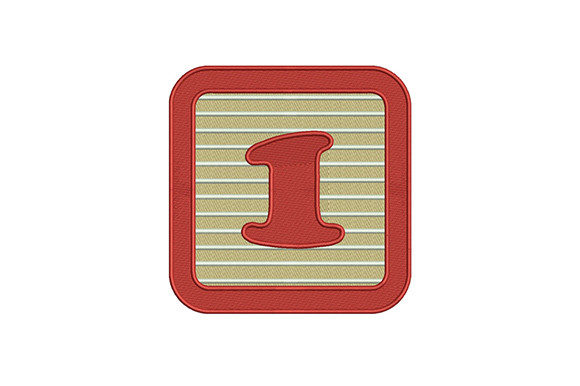
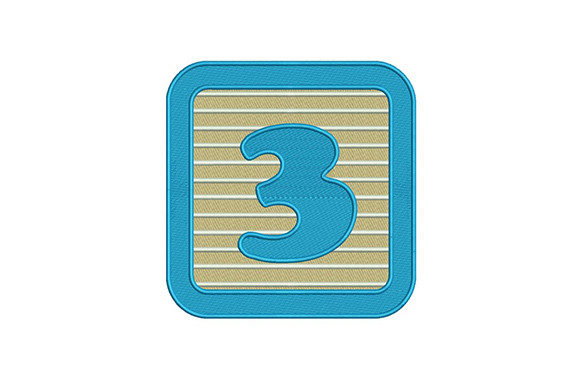
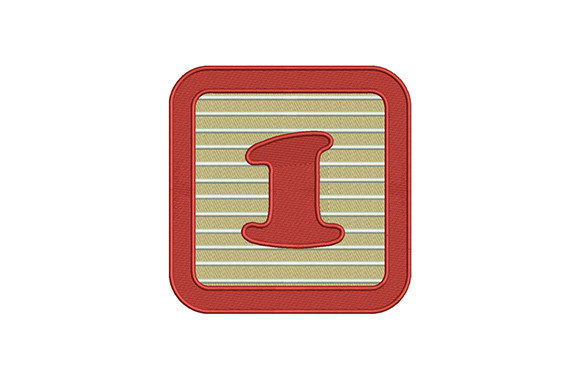
The mood of Red Frame Number One is playful but structured. It has a clean boundary that immediately draws the eye, which makes it a natural fit for children’s projects, back-to-school items, and personalized gifts. The frame itself feels friendly rather than formal—it does not shout for attention but quietly frames whatever you place inside. That is a smart design choice because it gives you flexibility. You can stitch it as a standalone accent or combine it with lettering, names, or small motifs inside the frame.
From a visual personality standpoint, Red Frame Number One lands squarely in the “cute but not cloying” zone. It does not rely on babyish details, so it works for toddlers, older kids, and even adults who appreciate a whimsical touch. That range matters when you are building a product line for a craft business or designing custom apparel for different age groups.
Testing Red Frame Number One on a Real Back-to-School Tote
I decided to test this embroidery design on a canvas tote bag meant for a kindergarten classroom. The goal was simple: stitch Red Frame Number One in the center, add a child’s name inside the frame using a separate lettering file, and see how the whole piece held up after the first few washes.
The satin stitch outlining the frame came through cleanly on medium-weight canvas. I used a tear-away stabilizer and a sharp 75/11 needle, and the design tracked evenly without shifting. The fill stitch inside the frame felt balanced—not so dense that it puckered the fabric, but solid enough that the red color popped against the natural canvas tone. After washing, the edges stayed crisp, and the thread showed no fraying. That is exactly the kind of durability you need for a tote bag that will carry library books, lunchboxes, and art supplies.
If you are an Etsy seller or a handmade shop owner thinking about back-to-school merchandise, this design gives you a reliable foundation. You can pair it with names, numbers, or small icons to create personalized totes that feel custom without requiring a separate applique design or complex stitch path.
How Red Frame Number One Performs Across Different Projects
I tested Red Frame Number One on several fabric types to understand its range. Here is what I found:
- Sweatshirts and fleece: The design handled the nap well. I used a medium-weight cutaway stabilizer and a ballpoint needle to avoid snagging. The frame sat flat, and the stitches did not sink into the fabric pile. This is a strong use case for fall and holiday custom apparel.
- Baby onesies and cotton apparel: On lightweight knit fabric, the design needed extra care. I used a sticky stabilizer on top to prevent the fabric from stretching during the stitch-out. The frame stayed true to size, but I recommend a smaller hoop size for tiny garments so the design does not overpower the piece.
- Embroidered patches: This design works beautifully as a patch. I stitched it onto felt with a water-soluble stabilizer, trimmed close to the edge, and sewed the patch onto a denim jacket. The satin stitch border gave the patch a finished, professional look that would appeal to boutique shoppers.
- Pillow covers and nursery decor: The frame motif fits naturally into a bedroom setting. Stitched onto a cotton pillow cover, Red Frame Number One added a decorative accent that felt intentional without being busy. For a nursery, you could add a single letter or a small animal inside the frame.
For commercial embroidery projects—whether you are producing for a small shop or selling digital embroidery files—this design gives you a repeatable template that customers can adapt. That adaptability is a selling point when you list it as a design asset in your online store.
Where Red Frame Number One Needs Careful Placement
No design is perfect for every surface, and Red Frame Number One has a few limitations worth noting.
The frame shape works best on flat or gently curved surfaces. On caps or hats, the top curve of the frame can distort if the hoop angle is not adjusted. I tested it on a structured baseball cap and had to re-hoop twice to get the frame to sit evenly. If you are stitching caps for a school order, plan extra setup time or use a cap-specific hoop frame.
Dark fabric is another consideration. The design uses red thread, and on black or navy fabric, the contrast is strong—but the satin stitch border can feel thin if the frame is small. I recommend testing Red Frame Number One on a dark swatch before committing to a full run of custom apparel. If the red does not show boldly enough, consider using a lighter red or a thread color that lifts off the background.
For towels or items that get frequent washing, the stitch density is moderate, but I still advise using a water-soluble stabilizer on top of terry cloth or waffle weave fabric. Without it, the stitches can disappear into the fabric texture, and the frame loses its crisp edge. That is a small step that makes a big difference in the finished product.
Why Red Frame Number One Adds Value to Handmade Products
From a business perspective, Red Frame Number One checks several boxes that matter to crafters and digital product sellers. It is versatile enough to appear in multiple product categories—back-to-school, nursery, holiday gifts, and boutique merchandise—without feeling repetitive. That means you can use the same embroidery file across different finished products, which improves your return on investment as a small shop owner.
The design also communicates care. When a customer receives a tote bag or a sweatshirt with a neatly stitched frame, they see a handmade product that looks intentional rather than rushed. That perception builds trust and makes your items more giftable. For Etsy sellers, that often translates to better reviews and repeat orders.
In terms of brand consistency, Red Frame Number One gives you a recognizable anchor. If you offer personalized items, stitching the same frame style across different products creates a visual thread that ties your shop together. Customers start to associate that frame with your brand, which is valuable when you are building a craft business.
Practical Notes Before Stitching Red Frame Number One
Before you load this machine embroidery design into your machine, here are a few things I recommend checking:
- Test on scrap fabric first. Every stabilizer and fabric combination behaves differently. A quick test run saves you from wasting material on a full production batch.
- Review thread color contrast. The red thread in Red Frame Number One works beautifully on light and neutral fabrics. On bright or patterned fabric, test a small section to make sure the frame does not get lost.
- Check the stitch density. I found the density comfortable for most medium-weight fabrics, but if you are stitching on thin or delicate fabric, use a lightweight stabilizer and reduce the density slightly if your software allows it.
- Confirm hoop size. Make sure the design fits your hoop before you start. There is nothing more frustrating than a partial stitch-out because the design exceeded the hoop boundary.
- Inspect small details. If the design includes fine corner details or thin lines, zoom in on your digital preview and check that they will stitch clearly at your intended size.
- Test in black and white mockups. Before stitching, view the design in grayscale. This helps you see whether the frame relies too heavily on color contrast or if the structure holds up on its own.
- Compare light and dark fabric backgrounds. Stitch a small sample on both a light and a dark fabric to see how the red thread performs. Adjust thread color or stabilizer choice accordingly.
- Confirm licensing. If you plan to sell finished products or the digital embroidery file itself, review the license agreement. Some designs allow commercial use with attribution, others require a separate license. Always check before you sell.
The Final Word on Red Frame Number One
Red Frame Number One is a solid addition to any embroidery designer’s digital collection. It delivers on its promise of a cute, usable frame for children’s projects and back-to-school merchandise, but it also stretches into nursery decor, custom apparel, patches, and personalized gifts. The stitch-out is clean, the thread colors are well-chosen, and the design holds up to real-world use on tote bags, sweatshirts, and more.
For small business owners and Etsy sellers, this machine embroidery design offers the kind of versatility that makes inventory planning easier. You can stitch it on a towel for a holiday gift, add it to a cap for a school order, or use it as a base for a boutique product line. It does not require complicated workarounds, and with proper stabilizer and hoop setup, it produces consistent results.
If you are looking for a frame design that feels approachable rather than precious, Red Frame Number One is worth adding to your digital embroidery file library. Test it on your favorite fabric, pair it with a name or a small motif, and see how it elevates your next handmade product.