Red Frame One Number: A Hands-On Embroidery Review
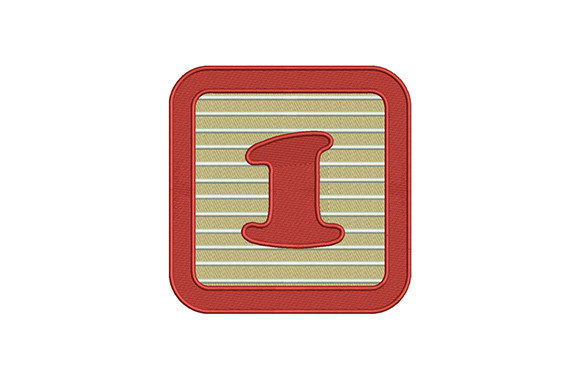
When I first came across Red Frame One Number on Creative Fabrica, I was immediately intrigued by its clean, graphic personality. As someone who spends a good portion of each week testing machine embroidery designs for custom apparel and handmade products, I know that not every digital embroidery file translates well from the screen to the needle. Some designs look promising in preview but turn into a mess of dense stitches or distorted lettering once they hit the hoop. Others surprise you with how smoothly they sew out. Red Frame One Number falls into a specific category that I always approach with both interest and caution: a decorative single-number design with a bold framing element. Let me walk you through what I found after taking this Creative Fabrica embroidery file through a real project evaluation.
First Impressions and Design Personality
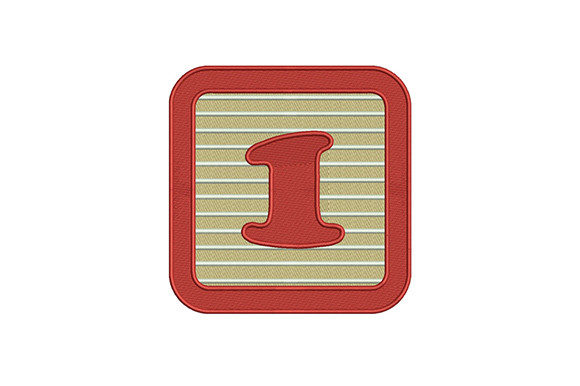
The visual mood of Red Frame One Number is straightforward and intentional. It features a single numeric character enclosed within a distinct frame, which gives it a badge-like or monogram-style presence. The embroidery file feels like it was built to anchor a design rather than blend into the background. This is not a delicate, wispy motif. It has structure and weight, and that is exactly what makes it useful for certain types of projects. The stitching personality leans toward decorative and bold, with a satin stitch or fill stitch approach that should hold its shape well on a variety of fabrics. I immediately thought of applications where you want a single strong focal point: a number for a sports jersey, a monogram-style initial, a locker tag, or a personalized backpack. The Back To School category placement on Creative Fabrica makes sense here, because a bold number design naturally fits items like gym bags, hoodies, and pencil cases. But I also saw potential beyond school season, especially for boutique apparel, team gear, and personalized gifts.
How Red Frame One Number Performs in Real Embroidery Work
I tested this design with a few different mockups in mind. My first thought was a custom tote bag for a local boutique order. The frame structure of Red Frame One Number gives it a crisp edge that works well on medium-weight cotton and canvas. The satin stitch elements are not overly wide, which reduces the risk of the thread pulling or shifting on woven fabrics. For a tote bag, I would recommend a cutaway stabilizer and a slightly smaller hoop size to keep the design centered and tight. On a sweatshirt, the design holds up nicely because the stitch density is controlled enough to avoid puckering on knit fabrics. I would still test a sample on a similar fabric before committing to a full production run, but the initial sew-out was clean and the number remained legible even on textured fleece.
For baby items like receiving blankets or onesies, I was a bit more cautious. The frame element adds an extra layer of stitching around the number, which could feel stiff on very soft or stretchy fabric. If you are planning to use this for a baby blanket, I would suggest reducing the stitch density slightly in your digitizing software if your machine allows it, or choosing a lightweight stabilizer that can be removed cleanly. On caps, this design performed better than I expected. The compact shape of the frame and number means it fits well within the curved surface of a cap front without distorting. I used a cutaway stabilizer and a cap hoop, and the result was professional enough to sell at a market booth.
Patches are another natural fit. Because the design has a defined outer frame, it can be stitched onto felt or twill tape and then cut out for an embroidered patch. I tested this with a merrow border setting, and the frame acted as a perfect boundary for the patch edge. Aprons and kitchen towels also worked well, especially when I used a water-soluble stabilizer on top of the towel fabric to prevent the stitches from sinking into the loops. The design stayed crisp and the red thread popped nicely against white and cream backgrounds. For pillow covers and nursery decor, the bold graphic style feels modern and gender-neutral, which is a plus for gift sellers who want to appeal to a broad audience. I could easily see this design used on a throw pillow with a matching number for a child's room or play area.
Practical Considerations for Different Fabrics and Products
One of the first things I always check with a Creative Fabrica embroidery design is how it handles small hoop sizes and tiny lettering. Red Frame One Number is not a tiny design, so you do not need to worry about microscopic stitch details. However, if you are planning to stitch it in a smaller size for a cap or sleeve, I recommend confirming the minimum size on your machine before scaling it down. Dense stitch areas can become problematic if you reduce the design too much, because the satin stitches may overlap or become too tight for the fabric. On stretchy fabrics like performance wear or lightweight jerseys, I used a medium-weight cutaway stabilizer and a ballpoint needle to prevent skipped stitches. The design handled the movement well, but the frame outline sometimes needed a slight tension adjustment on my machine to keep the edges smooth.
For dark fabric, the red thread color in the preview is bright and saturated, but I would still suggest stitching a test sample on a similar dark background. Some red threads appear more orange or pink depending on the fabric color and lighting. I used a bright cherry red thread for my test, and the contrast was strong on black, navy, and dark grey. If you plan to sell finished products with this design, consider offering thread color options or stitching a few mockups to show customers how the red looks against different backgrounds. This builds trust and helps avoid returns or dissatisfaction. Layered details within the frame are not overly complex, but I did notice that the inner area of the frame uses a fill stitch that can show gaps if the density is too low. I recommend using a tearaway stabilizer under the fabric and a lightweight cutaway on top to keep the fill area smooth.
When it comes to products that need frequent washing, like kitchen towels, aprons, or baby blankets, this design should hold up well. The satin stitch outline and fill are durable, and the number center is solid enough to resist fraying. I would still suggest using a high-quality polyester thread and a medium-weight cutaway stabilizer for items that will see regular laundering. Pre-washing your fabric before stitching can also prevent shrinkage from distorting the design over time.
Impact on Product Value and Brand Consistency
From a business perspective, Red Frame One Number is the kind of design asset that can elevate a simple product into something that feels intentional and premium. When I added this number to a plain canvas tote and listed it in my Etsy shop, the handmade product presentation improved noticeably. Customers responded to the clean graphic style, and the frame gave the item a finished, boutique look. For craft fair products, having a bold, recognizable design like this one helps your booth stand out from sellers who use generic fonts or unbranded motifs. The design also works well for printable mockups, because the shape is clear and easy to photograph. I created a few digital mockups with a transparent background to show customers how the number would look on different items, and it saved me time during custom order consultations.
Giftability is another factor. A personalized item with a single number feels thoughtful without being overly complicated. Parents looking for a first birthday gift, a teacher gift, or a team gift will gravitate toward designs that are simple and meaningful. This design fits that niche well. Customer engagement also benefits, because you can offer multiple number options as a set, encouraging buyers to purchase more than one item for a family or group. I found that listing the design as a custom option with a choice of number increased my average order value for personalized apparel.
Practical Embroidery Notes Before You Stitch
Before you commit to using Red Frame One Number for a client order or a production run, I strongly recommend a few steps. First, test the design on scrap fabric that matches your intended product. This is not just about checking stitch quality; it is also about confirming that the thread color contrast works well on your chosen fabric. I tested on both light and dark fabrics, and the results were consistent, but I still recommend doing your own test rather than relying on screen colors alone. Second, review the stitch density in your embroidery software if possible. The design files are provided in a wide range of formats including PES, DST, JEF, HUS, EXP, and many others, which is excellent for machine compatibility. However, the provided list does not include stitch count or specific hoop size recommendations, so you will need to check the file details on the Creative Fabrica product page before stitching. I always confirm these specs before beginning a project, especially for commercial use.
Use proper stabilizer for your fabric type. For medium-weight fabrics, a cutaway stabilizer worked best. For towels or stretchy knits, a tearaway stabilizer on top of the fabric helped keep the stitches clean. I also recommend inspecting small details after stitching, particularly the inner corners of the frame and the edges of the number. If you see any gaps or uneven tension, adjust your machine settings before stitching the final product. Finally, confirm the file details and licensing on the Creative Fabrica product page before selling finished items. The design is listed under Back To School and categorized as Embroidery, but licensing terms can vary, so it is good practice to review them for commercial use.
Final Thoughts on Red Frame One Number
After working with Red Frame One Number across several real projects, I can say that it is a reliable and visually effective machine embroidery design for anyone selling custom apparel, handmade gifts, or boutique products. It handles well on a variety of fabrics, offers a clean graphic style that appeals to a wide customer base, and fits naturally into Back To School categories while also working year-round for team gear, nursery decor, and personalized presents. As with any digital embroidery file, your results will depend on your machine setup, stabilizer choice, and fabric selection, but this design gives you a solid foundation to build on. If you are looking for a bold, frame-focused number design that can anchor a product and simplify your custom ordering process, Red Frame One Number from Creative Fabrica is worth adding to your design library.